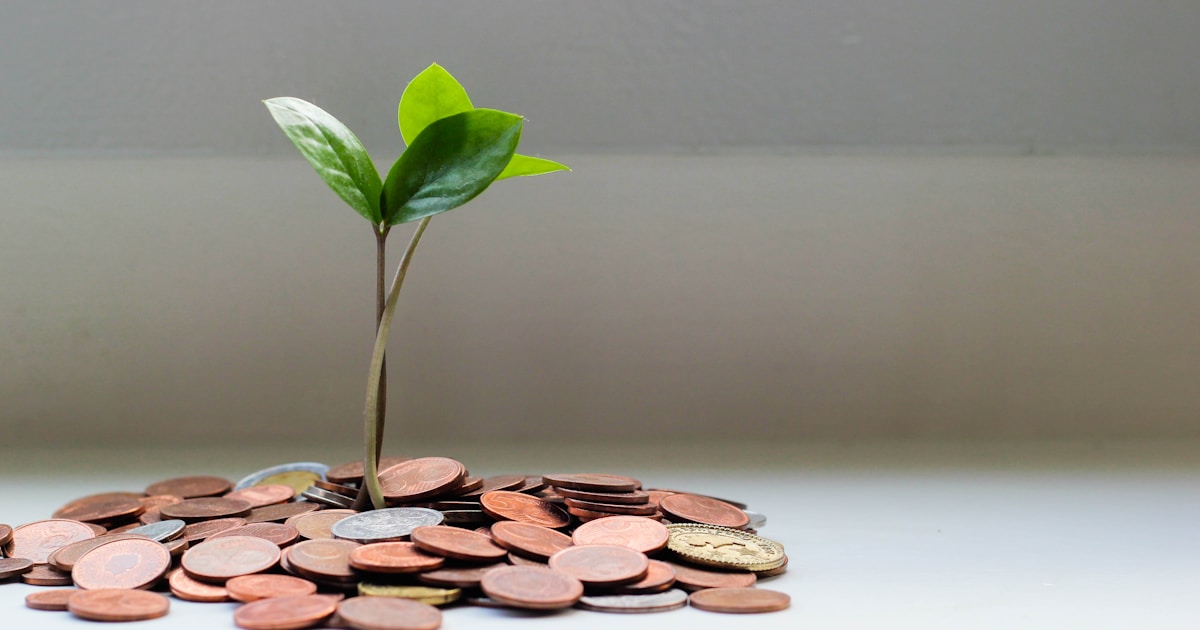
Why You Need an Emergency Fund in 2026
Life is unpredictable. A sudden job loss, medical emergency, or major car repair can derail your finances in an instant. According to a 2025 Bankrate survey, 57% of Americans couldn't cover an unexpected $1,000 expense from savings. Don't be part of that statistic.
An emergency fund is your financial safety net—money set aside specifically for life's unexpected challenges. It's not an investment, not a vacation fund, and definitely not for impulse purchases. It's peace of mind in a savings account.
What Qualifies as an Emergency?
Before we dive into building your fund, let's clarify what actually counts as an emergency:
✅ True emergencies:
- Job loss or significant income reduction
- Medical or dental emergencies not covered by insurance
- Essential car repairs (if you need your car for work)
- Emergency home repairs (burst pipes, broken furnace)
- Unexpected travel for family emergencies
❌ NOT emergencies:
- Holiday shopping
- Concert tickets that just went on sale
- A great deal on a new TV
- Routine car maintenance
- Vacation opportunities
How Much Should You Save?
The general rule is 3-6 months of essential expenses, but the right amount depends on your situation:
Calculate Your Monthly Essential Expenses
Add up these costs:
- Housing: Rent or mortgage payment
- Utilities: Electric, gas, water, internet, phone
- Food: Groceries (not restaurants)
- Transportation: Car payment, insurance, gas, or public transit
- Insurance: Health, life, disability
- Minimum debt payments: Credit cards, loans
- Essential subscriptions: Medications, childcare
Example calculation:
| Expense | Monthly Cost |
|---|---|
| Rent | $1,500 |
| Utilities | $200 |
| Groceries | $400 |
| Transportation | $350 |
| Insurance | $300 |
| Debt minimums | $250 |
| Total | $3,000 |
For this person, a 3-month emergency fund = $9,000, and a 6-month fund = $18,000.
How Many Months Do You Need?
3 months is enough if you:
- Have a stable job in a secure industry
- Have a working spouse or partner with income
- Have low fixed expenses
- Could find new work quickly
6+ months is better if you:
- Work in a volatile industry
- Are self-employed or a freelancer
- Are the sole income earner
- Have high fixed expenses
- Have dependents
- Have specialized skills that take longer to place
Use our Savings Calculator to plan your emergency fund timeline.
Where to Keep Your Emergency Fund
Your emergency fund needs to be:
- Safe - No risk of losing money
- Liquid - Accessible within 1-2 business days
- Separate - Away from your regular checking account
Best Options for 2026
1. High-Yield Savings Account (HYSA) ⭐ RECOMMENDED
- Current rates: 4.0-5.0% APY
- FDIC insured up to $250,000
- Easy transfers to checking
- No risk to principal
Top options: Marcus by Goldman Sachs, Ally Bank, Capital One 360
2. Money Market Account
- Similar rates to HYSA
- May offer check-writing or debit card
- Sometimes higher minimum balances
- FDIC insured
3. Short-Term CDs (3-6 months)
- Slightly higher rates
- Early withdrawal penalty (usually 3 months interest)
- Good for portion you won't need immediately
Where NOT to Keep It
❌ Regular checking account - Too easy to spend, earns nothing ❌ Under your mattress - No interest, risk of theft/loss ❌ Stocks or crypto - Too volatile, could lose value when you need it ❌ Retirement accounts - Penalties and taxes for early withdrawal
Step-by-Step Action Plan
Step 1: Open a Dedicated Savings Account (Today)
Choose a high-yield savings account at a different bank than your checking. This creates a psychological barrier that prevents impulsive spending.
Why a different bank?
- Transfers take 1-2 days (time to reconsider)
- Out of sight, out of mind
- No temptation seeing the balance daily
Step 2: Calculate Your Target Number (This Week)
Use this formula:
Monthly Essential Expenses × Months Needed = Emergency Fund TargetWrite this number down. Put it on your fridge. Make it real.
Step 3: Start With a Mini Emergency Fund (Month 1)
If you're starting from zero, aim for $1,000 first. This covers most minor emergencies while you build the full fund.
Ways to get your first $1,000 fast:
- Sell items you don't use (electronics, clothes, furniture)
- Do a temporary side gig (Uber, DoorDash, freelancing)
- Redirect one paycheck's "fun money"
- Get a tax refund? Emergency fund first.
Step 4: Automate Your Savings (Month 2+)
Set up automatic transfers on payday—before you can spend it.
The "Pay Yourself First" method:
- Calculate monthly savings goal: Target ÷ 12 months = Monthly amount
- Set up auto-transfer for payday
- Adjust your budget around what's left
Example:
- Target: $9,000
- Timeline: 18 months
- Monthly auto-transfer: $500
Step 5: Accelerate With Extra Money
Throw every windfall at your emergency fund:
- Tax refunds
- Work bonuses
- Birthday money
- Sold items
- Cash back rewards
- Reduced bills (refinanced loan, cancelled subscription)
Strategies to Build Your Fund Faster
The 52-Week Challenge
Save increasing amounts each week:
- Week 1: $1
- Week 2: $2
- Week 52: $52
- Total: $1,378
The Reverse 52-Week Challenge
Start high when motivation is fresh:
- Week 1: $52
- Week 2: $51
- Week 52: $1
- Same total, but front-loaded
The Round-Up Method
Round up every purchase and save the difference:
- Coffee costs $4.75 → Save $0.25
- Gas costs $42.30 → Save $0.70
Apps like Acorns and Qapital automate this.
The "No-Spend" Challenge
Pick one category to eliminate for a month:
- No restaurants for 30 days
- No online shopping
- No subscription services
Redirect all savings to your emergency fund.
Common Questions About Emergency Funds
Should I save or pay off debt first?
Do both, strategically:
- Build $1,000 mini emergency fund first
- Pay off high-interest debt (credit cards)
- Build full 3-6 month emergency fund
- Attack remaining debt
Why? Without any emergency fund, you'll end up using credit cards for emergencies—making debt worse.
What if I need to use my emergency fund?
That's exactly what it's for! Don't feel guilty. The fund did its job.
After using it:
- Pause other financial goals temporarily
- Rebuild the fund as priority #1
- Analyze if you can prevent similar emergencies
Should I invest my emergency fund for better returns?
No. Your emergency fund is insurance, not an investment.
The stock market can drop 20-30% in a crisis—exactly when you might need the money. A 5% savings rate is infinitely better than a 30% loss.
How do I avoid spending it on non-emergencies?
- Keep it at a separate bank
- Name the account "EMERGENCY ONLY - DO NOT TOUCH"
- Before withdrawing, wait 24 hours
- Ask: "Would I put this on a credit card at 20% interest?"
Your Emergency Fund Checklist
Use this checklist to track your progress:
- [ ] Opened a high-yield savings account at a different bank
- [ ] Calculated monthly essential expenses
- [ ] Set my emergency fund target: $________
- [ ] Saved first $1,000 mini emergency fund
- [ ] Set up automatic monthly transfer: $________
- [ ] Reached 1 month of expenses
- [ ] Reached 3 months of expenses
- [ ] Reached 6 months of expenses
Tools to Help You Get Started
Calculate your savings timeline: Use our Savings Calculator to see exactly how long it will take to reach your goal.
Track your budget: Our compound interest calculator shows how your emergency fund grows over time.
Plan for the future: Once your emergency fund is complete, use our Retirement Calculator to plan your next financial goal.
The Bottom Line
Building an emergency fund isn't exciting, but financial security rarely is. What IS exciting is the peace of mind that comes from knowing you can handle whatever life throws at you.
Start today. Open that high-yield savings account. Set up a $50 automatic transfer. Something is better than nothing, and small consistent action beats big plans you never execute.
Your future self will thank you.
Last updated: January 2026
Disclaimer: This article is for educational purposes only and does not constitute financial advice. Please consult with a qualified financial advisor for personalized recommendations.